




Haemorrhoids, frequently referred to as piles, are swollen blood vessels in the anal canal that can often resolve or improve significantly without the need for invasive medical procedures. For many individuals, mild cases of haemorrhoids shrink and become asymptomatic once the underlying triggers, such as constipation or physical strain, are addressed through lifestyle modifications. While the vascular cushions are a permanent part of the human anatomy, the inflammation and swelling associated with symptomatic piles are often temporary. Understanding the natural healing process and the role of conservative management is essential for long-term rectal health and the prevention of recurrence.
What We’ll Discuss in This Article
- The natural resolution of mild haemorrhoid swelling
- How dietary changes facilitate the healing of anal veins
- The timeline for recovery from acute flare-ups and thrombosis
- The importance of bowel habits in supporting tissue repair
- Distinguishing between temporary relief and permanent structural changes
- Clinical indicators that suggest medical intervention is required
The Natural Resolution of Vascular Swelling
Mild haemorrhoids can often heal on their own as the body naturally reduces the inflammation and fluid accumulation within the affected veins once the source of pressure is removed. Haemorrhoids are essentially engorged vascular cushions; when the mechanical stress from straining or heavy lifting ceases, the blood flow begins to normalise and the swelling gradually subsides. This process typically takes a few days to a week for minor internal or external piles.
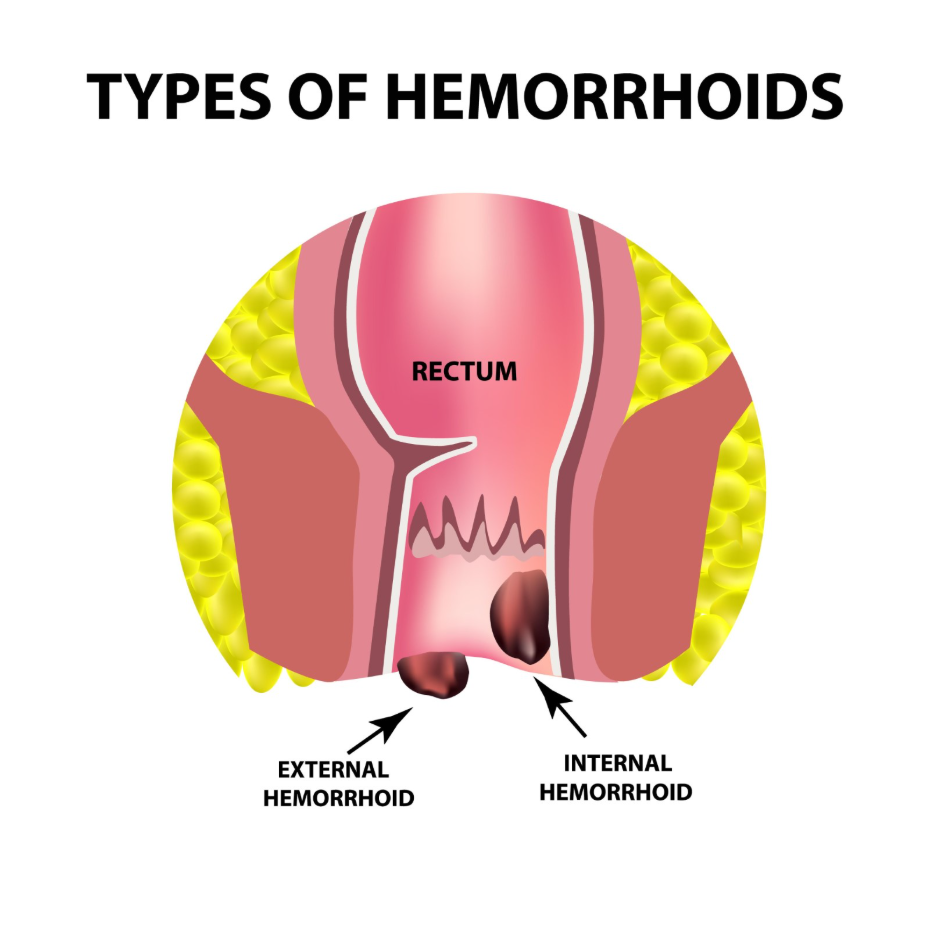
While the inflammation may disappear, it is important to note that the veins themselves remain in place as they are a functional part of the anal canal. Haemorrhoids are swollen veins in the anus and lower rectum, and they often get better on their own after a few days of following simple self-care advice. Natural healing is most effective when the body is supported by habits that prevent further trauma to the area, such as maintaining soft stools and avoiding prolonged sitting.
How Dietary Changes Support Healing
The primary factor in allowing haemorrhoids to heal naturally is the implementation of a high-fibre diet to ensure stools pass through the anal canal without causing friction or pressure. When stools are hard and difficult to pass, they act as an abrasive force against the delicate rectal lining, which prevents inflamed veins from shrinking. By increasing fibre intake, the stool becomes bulkier and softer, allowing the vascular cushions to remain undisturbed and recover.
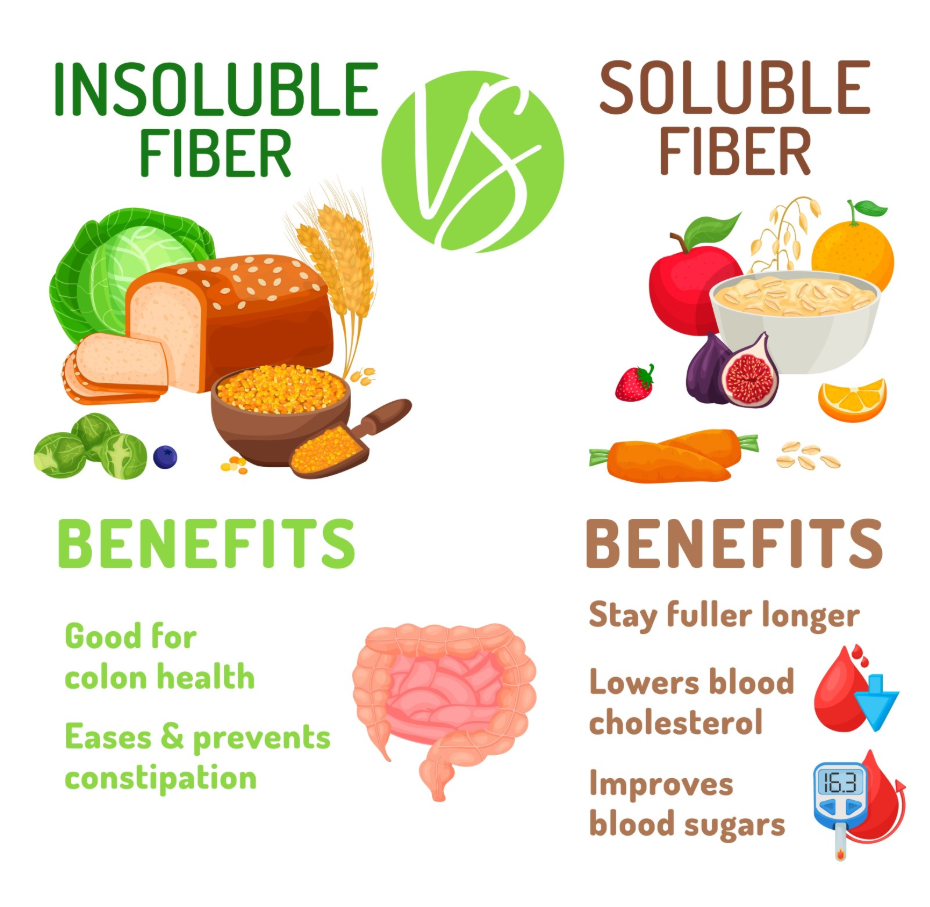
Dietary adjustments should focus on whole grains, pulses, fruits, and vegetables. The National Institute for Health and Care Excellence recommends increasing dietary fibre as a first-line treatment to help manage symptoms and promote the healing of haemorrhoids. This nutritional approach must be paired with adequate hydration, as water is required for fibre to function correctly. When the digestive transit is efficient, the reduction in daily pelvic pressure provides the ideal environment for symptomatic piles to resolve spontaneously.
Timeline for Recovery from Thrombosis
A thrombosed haemorrhoid, which occurs when a blood clot forms in an external vein, follows a specific healing timeline as the body slowly reabsorbs the clot. Unlike standard swelling, a thrombosed lump is firm and acutely painful, and it may take significantly longer to resolve than a non-thrombosed pile. The intense pain usually peaks within the first 48 to 72 hours and then begins to subside as the inflammatory response plateaus.
The physical lump itself may take between two and six weeks to disappear completely. During this time, the body’s immune system breaks down the clot and the blood vessel gradually returns to its normal size. In some cases, once the swelling has fully resolved, a small flap of skin known as a skin tag may remain in the area. While the acute condition heals on its own, managing the discomfort during the first few days often requires conservative measures such as warm soaks or simple topical treatments.
The Role of Bowel Habits in Tissue Repair
Proper toilet habits are essential for allowing haemorrhoids to heal and for preventing the recurrence of inflammation once the initial swelling has subsided. Sitting for long periods on the toilet seat creates a gravitational pull that encourages blood to pool in the anal veins, which can hinder the healing process. Healthcare professionals often advise individuals to spend no more than five minutes on the toilet and to only go when they feel a genuine urge.
Correct posture also assists in tissue repair by reducing the amount of effort needed to empty the bowels. Elevating the feet on a small stool can help align the rectum, allowing for a smoother passage of waste. By minimising the time spent in an unsupported seated position and reducing the need for straining, the pressure on the rectal veins remains low, allowing the tissues to recover without being subjected to repeated spikes in intra-abdominal pressure.
Temporary Relief vs. Permanent Structural Changes
While the symptoms of haemorrhoids can resolve on their own, higher-grade internal haemorrhoids may involve permanent structural changes that require more than just lifestyle adjustments. Internal haemorrhoids are graded from one to four based on the degree of prolapse. Grade one and two piles often resolve with dietary changes, but grade three and four piles, which stay outside the anus or require manual replacement, may have stretched the connective tissues to a point where they no longer return to their original position.
In these instances, while the inflammation and bleeding might stop temporarily, the structural displacement remains. This can lead to a cycle of repeated flare-ups because the protruding tissue is more susceptible to irritation. The National Institute for Health and Care Excellence provides structured pathways for treating persistent haemorrhoids that do not respond to conservative management. Identifying whether a case is a temporary flare-up or a chronic structural issue is a key part of a clinical assessment.
When Self-Healing is Not Sufficient
There are specific clinical indicators that suggest haemorrhoids will not resolve on their own and require a professional medical review. If symptoms persist for more than seven days despite a high-fibre diet and proper hydration, or if the pain is severe and constant, it is important to seek a professional evaluation. Healthcare providers can determine if the symptoms are due to piles or if another underlying condition is responsible for the discomfort.
Indicators that require a professional review include:
- Rectal bleeding that is heavy, persistent, or dark in colour
- A change in bowel habit that lasts for three weeks or more
- Unexplained weight loss or persistent abdominal pain
- A lump that is hard, increasing in size, or extremely painful
- Symptoms that return frequently despite following healthy lifestyle habits
In the UK, pharmacists can provide advice on over-the-counter soothing treatments to use while waiting for lifestyle changes to take effect. If these measures are unsuccessful, a GP may refer the patient for non-surgical treatments such as rubber band ligation to resolve the issue more permanently.
Conclusion
Haemorrhoids can often heal on their own if the primary causes of pressure, such as constipation and straining, are addressed through dietary and lifestyle changes. Most mild flare-ups resolve within a week as the inflammation subsides and the vascular cushions return to their normal state. However, the success of natural healing depends on consistency in maintaining soft stools and healthy bowel habits. If you experience severe, sudden, or worsening symptoms, call 999 immediately.
How long does it take for piles to shrink?
Mild piles usually start to shrink within a few days of increasing fibre and water intake, with most symptoms resolving within one week.
Do internal haemorrhoids go away forever?
The symptoms can resolve permanently, but the underlying vascular cushions remain; they can swell again if you become constipated or strain in the future.
Can a blood clot in a haemorrhoid heal naturally?
Yes, a thrombosed haemorrhoid will gradually be reabsorbed by the body, although it can take several weeks for the lump to disappear.
Is it safe to wait for haemorrhoids to heal?
It is safe for mild cases, but you must seek medical advice if you have rectal bleeding or if your symptoms do not improve after a week of home care.
Does exercise help haemorrhoids heal?
Gentle exercise like walking improves circulation and bowel regularity, which supports healing, but heavy lifting should be avoided during a flare-up.
Will my haemorrhoids heal if I have diarrhoea?
Frequent loose stools can irritate the area and delay healing; it is important to manage the diarrhoea to allow the anal tissues to rest.
What is the best way to speed up the healing of piles?
The most effective approach is a combination of a high-fibre diet, drinking plenty of water, and avoiding any straining on the toilet.
Authority Snapshot (E-E-A-T)
This medical education content provides accurate, evidence-based information regarding the natural healing of haemorrhoids for the UK public. The material is developed by a professional medical writing team and reviewed by Dr. Rebecca Fernandez, a UK-trained physician with extensive experience in general surgery, internal medicine, and acute care. All information is strictly aligned with the clinical standards and diagnostic pathways provided by the NHS and the National Institute for Health and Care Excellence (NICE).



