




The duration of haemorrhoid symptoms varies significantly depending on the type and severity of the swelling, though most mild cases resolve within a few days to a week with appropriate self-care. Haemorrhoids, also known as piles, are vascular cushions in the anal canal that become symptomatic when they swell or become inflamed due to increased pelvic pressure. While the physical vessels are a permanent anatomical feature, the discomfort, itching, and bleeding associated with a flare-up are typically temporary. Understanding the recovery timeline for different grades of haemorrhoids helps individuals manage expectations and identify when symptoms have persisted beyond a normal timeframe.
What We’ll Discuss in This Article
- Typical recovery times for mild internal and external haemorrhoids
- The specific healing timeline for thrombosed external piles
- Factors that influence the duration of a haemorrhoid flare-up
- Recovery expectations following non-surgical clinical procedures
- The difference between symptomatic resolution and permanent structural changes
- When persistent symptoms require a formal medical review
Typical Duration of Mild Haemorrhoid Flare-ups
Mild haemorrhoids usually last between three and seven days, provided that the underlying triggers such as constipation or straining are effectively managed. When the pressure on the rectal veins is reduced through increased fibre and water intake, the inflammation typically begins to subside within forty-eight hours. As the swelling goes down, symptoms such as minor itching or bright red spotting after a bowel movement should gradually decrease and eventually disappear.
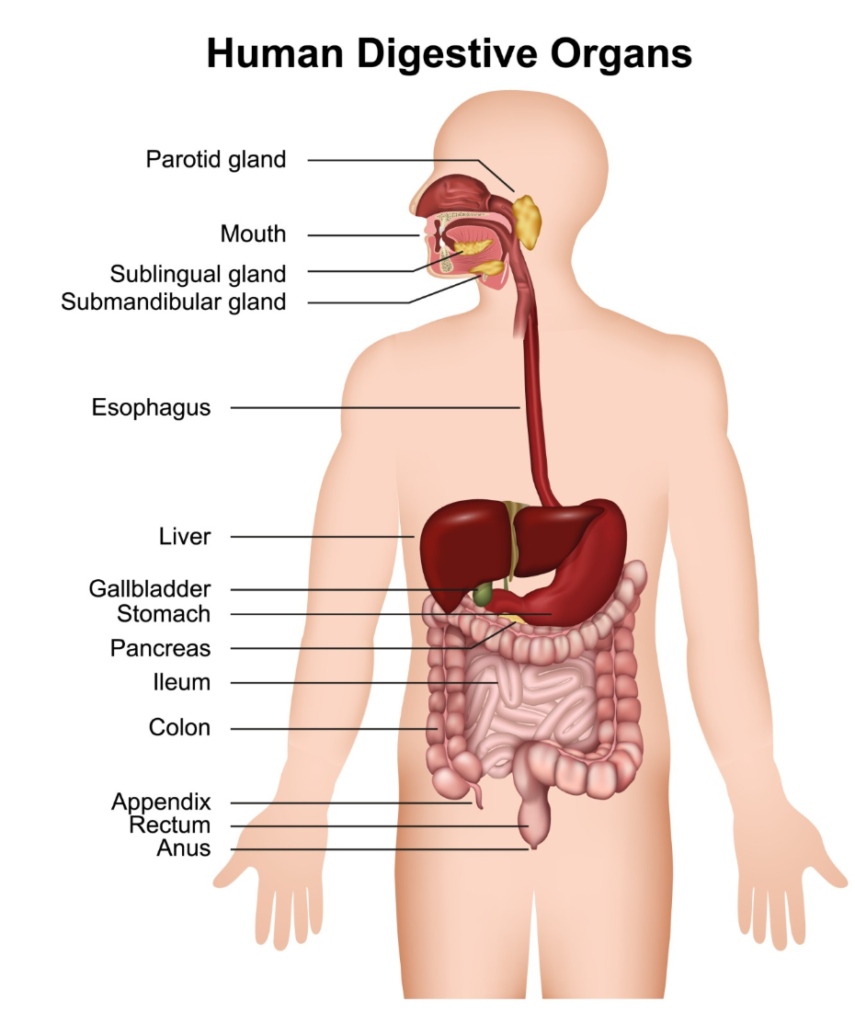
The speed of recovery is closely linked to the consistency of the stool passing through the anal canal. Haemorrhoids are swollen veins in the anus and lower rectum, and they often get better on their own after a few days of following simple self-care advice. If the stool remains hard, the repetitive trauma can keep the vessels inflamed, extending the duration of the flare-up. Therefore, the “duration” of piles is often less about the veins themselves and more about how quickly the individual can re-establish a healthy bowel routine.
Healing Timeline for Thrombosed Haemorrhoids
A thrombosed haemorrhoid, which involves a blood clot in an external vein, follows a longer recovery path that typically spans two to six weeks. The most intense pain from a thrombosis usually peaks within the first forty-eight to seventy-two hours as the inflammatory response is at its highest. After this initial acute phase, the pain begins to dull, though the physical lump may remain firm and sensitive for several more days.
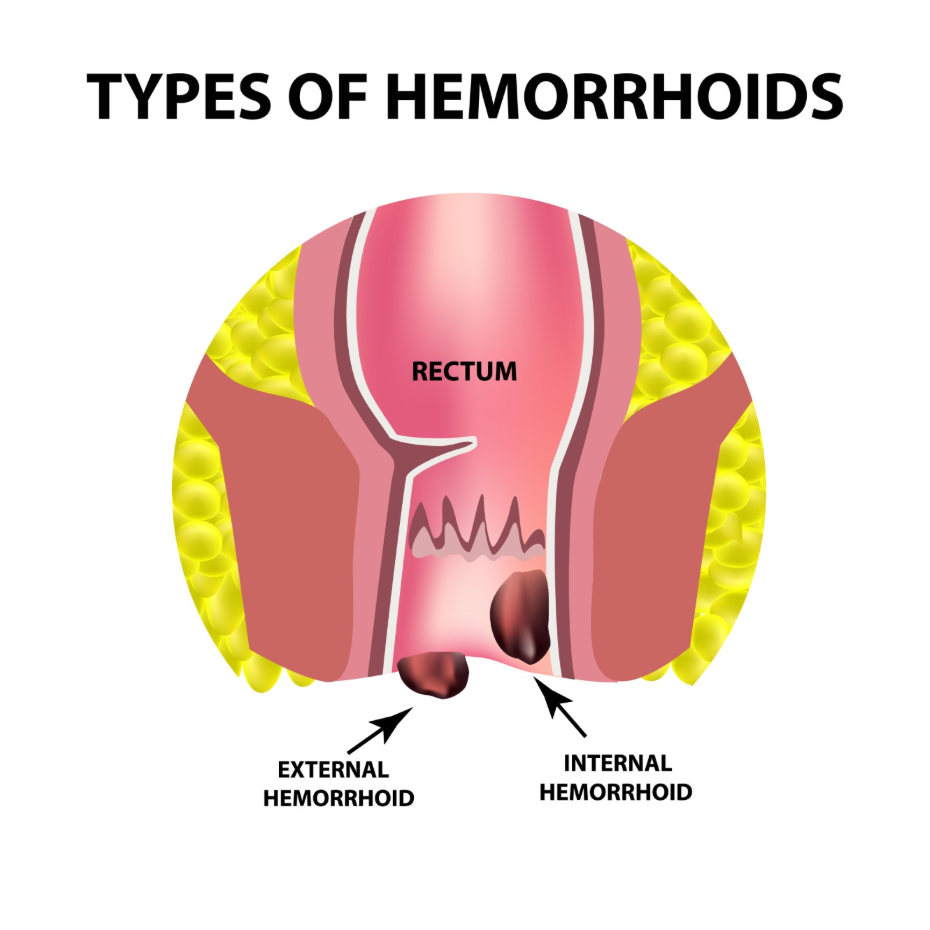
The body must naturally reabsorb the blood clot, a biological process that cannot be significantly rushed. As the clot is broken down, the lump will slowly shrink and soften. In some cases, a small flap of excess skin, known as a skin tag, may remain after the swelling has fully resolved. While the acute pain is relatively short-lived, the total time for the area to return to its normal physical state is significantly longer than that of a standard, non-thrombosed haemorrhoid.
Duration of Symptoms for Prolapsed Internal Piles
Internal haemorrhoids that have prolapsed (pushed outside the anus) may persist for longer than those that remain internal, depending on their clinical grade. Grade one and two internal haemorrhoids often resolve within a week if straining is avoided. However, grade three and four haemorrhoids, which either require manual replacement or remain permanently outside, may cause persistent symptoms such as mucus discharge and itching for as long as the tissue remains displaced.
Because the internal lining of the rectum is now exposed to the external environment, it remains irritated and inflamed. The National Institute for Health and Care Excellence provides guidelines on the management of haemorrhoids, noting that higher-grade piles may require clinical intervention if they do not resolve with conservative measures. In these instances, the symptoms may not truly “go away” until a medical professional performs a procedure to reposition or remove the excess tissue.
Recovery After Clinical Procedures
When haemorrhoids do not resolve on their own, the duration of symptoms is then determined by the type of clinical treatment performed. Non-surgical options such as rubber band ligation typically result in the haemorrhoid withering and falling off within seven to ten days. Patients may experience a sensation of fullness or minor discomfort for the first twenty-four to forty-eight hours after the bands are applied, but the primary symptoms of the haemorrhoid itself should resolve shortly after the tissue is shed.
More invasive surgical procedures, such as a haemorrhoidectomy, involve a longer recovery period. While the problematic tissue is removed immediately, the surgical site may take two to four weeks to heal completely. During this time, patients may experience soreness during bowel movements. The long-term success of these procedures in stopping symptoms permanently depends on the individual’s commitment to maintaining soft stools and avoiding the habits that caused the haemorrhoids to develop initially.
Factors That Can Prolong Recovery
Several lifestyle and physiological factors can extend the duration of haemorrhoid symptoms, turning a temporary flare-up into a chronic issue. Persistent constipation is the most common reason for delayed healing, as the constant pressure prevents the veins from shrinking. Similarly, pregnancy can cause symptoms to last for several months due to the continuous pressure of the uterus on the pelvic veins and the hormonal changes that soften vein walls.
| Factor | Impact on Duration | Reason |
| Chronic Constipation | Prolonged | Constant straining prevents vascular rest |
| Pregnancy | Months | Continuous pelvic pressure until delivery |
| Heavy Lifting | Recurrent | Acute pressure spikes cause re-inflammation |
| Low Fibre Diet | Persistent | Small, hard stools cause mechanical trauma |
| Dehydration | Prolonged | Harder stools increase evacuation effort |
If an individual does not modify their toilet habits, such as spending long periods sitting on the toilet, the haemorrhoids may remain symptomatic indefinitely. The vascular cushions are sensitive to gravity and pressure; without a change in the environment of the anal canal, the biological process of healing is constantly interrupted by new bouts of inflammation.
Identifying Persistent Symptoms
While most haemorrhoids settle quickly, there is a clinical threshold for when persistent symptoms require a professional review. If symptoms do not improve after a week of home management, or if they return frequently, it is important to confirm that the cause is indeed haemorrhoids and not an underlying digestive or inflammatory condition. In the UK, pharmacists can provide advice on short-term treatments, but certain markers require a GP consultation.
Professional advice should be sought if:
- Rectal bleeding is persistent, heavy, or dark in colour
- Pain is severe enough to prevent normal daily activities
- Symptoms have not improved after seven days of self-care
- There is a persistent change in bowel habit lasting three weeks or more
- You experience unintentional weight loss or constant abdominal pain
The symptoms of piles often include bright red blood after you poo, and while this is usually temporary, any rectal bleeding must be evaluated to ensure an accurate diagnosis. Following the established diagnostic pathways ensures that symptoms are managed effectively and that any serious conditions are ruled out early.
Conclusion
The duration of haemorrhoids is typically short, with most mild cases resolving within a week through dietary and lifestyle adjustments. Thrombosed or prolapsed haemorrhoids require a longer recovery period, often lasting several weeks, as the body heals the damaged tissue or reabsorbs blood clots. Consistency in maintaining soft stools and avoiding pelvic strain is the most effective way to ensure a quick recovery and prevent the symptoms from becoming a chronic concern. If you experience severe, sudden, or worsening symptoms, call 999 immediately.
Why do my haemorrhoids keep coming back?
Haemorrhoids often recur if the underlying cause, such as constipation or prolonged sitting on the toilet, is not permanently addressed through lifestyle changes.
Can haemorrhoids last for years?
While a single flare-up shouldn’t last years, the structural changes in the veins can remain, leading to frequent symptoms over a long period if triggers are not managed.
How long after starting fibre will my piles improve?
You may notice a difference in stool consistency within twenty-four to forty-eight hours, with haemorrhoid swelling typically reducing a few days later.
Will my pregnancy piles go away after I give birth?
Most pregnancy-related haemorrhoids improve significantly or disappear completely within a few weeks of delivery as pelvic pressure decreases and hormones stabilise.
Does a blood clot in a haemorrhoid ever go away without surgery?
Yes, most thrombosed haemorrhoids are reabsorbed by the body within two to six weeks, although the initial pain usually settles much faster.
Can exercise help haemorrhoids go away faster?
Gentle exercise like walking improves circulation and bowel regularity, which supports healing, but heavy lifting should be avoided during a flare-up.
Does drinking more water shorten the duration of piles?
Yes, hydration is essential for keeping stools soft, which prevents the further irritation and straining that keep haemorrhoids inflamed.
Authority Snapshot (E-E-A-T)
This medical education content is designed to provide accurate, evidence-based information for the UK public regarding the duration and recovery of haemorrhoids. The material is developed by a professional medical writing team and reviewed by Dr. Rebecca Fernandez, a UK-trained physician with extensive experience in general surgery, internal medicine, and acute care. All information provided is strictly aligned with the clinical standards and diagnostic pathways provided by the NHS and the National Institute for Health and Care Excellence (NICE).



