




A thrombosed haemorrhoid is a specific complication of external piles where a blood clot, known as a thrombus, develops within the swollen vein. While standard haemorrhoids are often associated with mild itching or discomfort, the formation of a clot typically leads to a sudden and significant increase in pain and physical swelling. This condition occurs in the external vascular cushions located under the skin around the anal opening, rather than in the internal cushions found deeper inside the rectum.
What We’ll Discuss in This Article
- The physiological process of thrombus formation in anal veins
- Recognising the symptoms of a thrombosed haemorrhoid
- Comparison between standard external piles and thrombosed cases
- Common triggers and risk factors for clot development
- Clinical management options and standard UK treatment pathways
- Strategies for recovery and long term prevention of recurrence
The Development of a Thrombosed Haemorrhoid
Thrombosed haemorrhoids occur when the blood flow within an enlarged external haemorrhoid becomes restricted, leading to the formation of a clot. Haemorrhoids themselves are normal vascular structures in the anal canal that assist with stool control, but they become problematic when they swell or descend. When an external vein becomes particularly engorged, the blood can pool and eventually solidify into a clot, which significantly increases the pressure within the sensitive skin surrounding the anus.
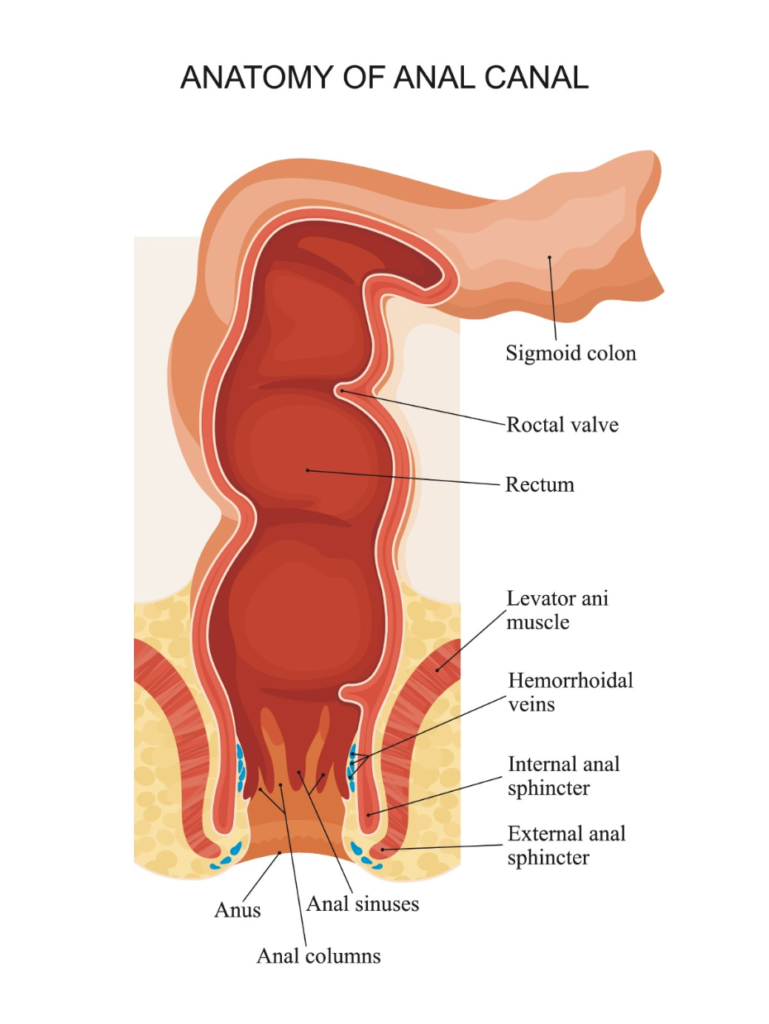
This process is usually rapid and results in a firm, tender lump that may appear bluish or purple due to the blood clot beneath the surface. Because the skin around the anus is densely populated with pain-sensing nerves, the pressure exerted by the clot is often perceived as a sharp or throbbing sensation. While the body can naturally reabsorb these clots over several weeks, the initial phase is frequently characterised by intense physical discomfort that may interfere with daily activities or bowel movements.
Recognising Symptoms and Physical Changes
The most prominent symptom of a thrombosed haemorrhoid is the sudden onset of acute pain that is not necessarily linked to the act of passing a stool. Unlike internal haemorrhoids, which are often painless even when they bleed, thrombosed external haemorrhoids are highly sensitive to touch or pressure. The symptoms of piles often include bright red blood after you poo, an itchy anus, and feeling like you still need to poo after going to the toilet. In a thrombosed case, these symptoms are overshadowed by the presence of a hard, painful lump.
Physical examination usually reveals a solitary, dark-coloured protrusion at the anal margin. The lump is typically firm to the touch, unlike a standard external haemorrhoid which may feel soft or fluctuate in size. If the skin over the thrombus becomes too thin or breaks, there may be some dark, clotted bleeding or discharge, which can sometimes provide a degree of pressure relief. However, the presence of any new or unexplained lump in the anal region requires a professional assessment to ensure an accurate identification of the issue.
Comparison Between Standard and Thrombosed Haemorrhoids
Understanding the differences between these types helps in determining the likely progression of symptoms and the necessary care approach.
| Feature | Standard External Haemorrhoid | Thrombosed External Haemorrhoid |
| Pain Level | Usually mild or intermittent itching | Acute, constant, and severe pain |
| Consistency | Soft and may compress when touched | Firm, hard, and extremely tender |
| Appearance | Skin-coloured or slightly pink | Bluish, purple, or dark grey |
| Onset | Gradual development over time | Sudden appearance, often within hours |
| Bleeding | Bright red on tissue after wiping | Dark, clotted blood if the skin breaks |
Causes and Risk Factors for Blood Clots in Veins
The primary cause of a thrombosed haemorrhoid is excessive pressure on the anal veins, which is often triggered by specific physical activities or changes in bowel habits. Straining during bowel movements due to constipation is the most common factor, as the prolonged exertion forces blood into the external veins and prevents it from draining effectively. This stagnation is the perfect environment for a clot to form within the vessel.
Other risk factors include pregnancy, where the growing uterus exerts pressure on the pelvic veins and hormonal changes can soften the vein walls. Heavy lifting, whether through occupation or exercise, can also cause sudden spikes in intra-abdominal pressure that impact the anal vascular cushions. Prolonged periods of sitting, particularly on the toilet, can also encourage blood to pool in these areas. Maintaining a regular bowel routine and avoiding situations that involve excessive straining are the most effective ways to reduce the risk of thrombus formation.
Clinical Management and Treatment Pathways
Management of a thrombosed haemorrhoid depends largely on the severity of the pain and the length of time the symptoms have been present. If a patient is assessed by a healthcare professional within the first 72 hours of symptom onset, a minor surgical procedure known as an incision and drainage may be considered. This involves making a small cut under local anaesthetic to remove the clot, which usually provides immediate relief from the acute pressure and pain.
If more than 72 hours have passed, clinicians often recommend conservative management, as the clot will have begun to stabilise and the body will start the process of reabsorbing it naturally. Conservative care involves sitz baths (soaking the area in warm water), the use of topical creams to reduce inflammation, and ensuring the stool remains soft to prevent further irritation. The National Institute for Health and Care Excellence provides specific guidelines for the management of haemorrhoidal disease to ensure that patients receive consistent and evidence-based care within the UK health system.
Long Term Prevention and Bowel Health
Preventing the recurrence of thrombosed haemorrhoids focuses on reducing the pressure in the anal canal by maintaining soft stools and healthy bowel habits. A diet high in fibre is the most important factor in ensuring waste moves through the system easily without the need for straining. This includes consuming plenty of whole grains, legumes, fruits, and vegetables.
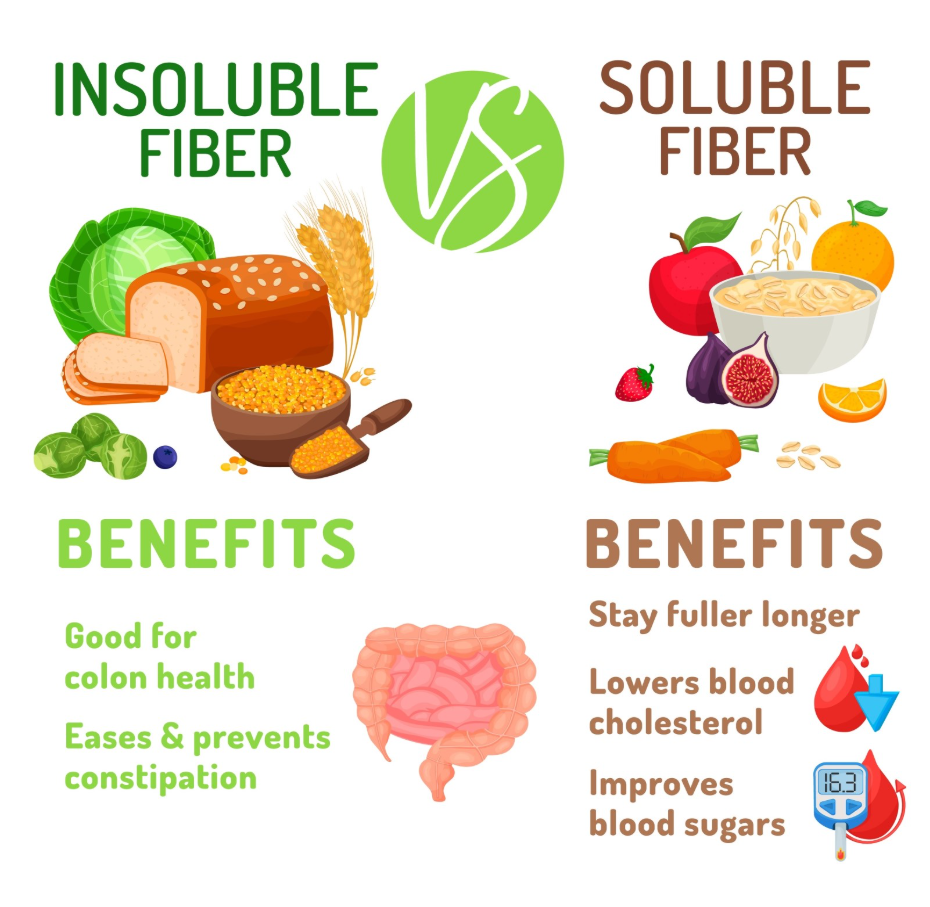
In addition to dietary fibre, staying adequately hydrated is essential for preventing the development of hard stools that are difficult to pass. Engaging in regular physical activity also supports healthy gut motility and reduces the likelihood of blood pooling in the lower body. Patients are often advised to avoid spending excessive time on the toilet and to respond to the urge to pass a bowel movement promptly. These lifestyle adjustments are the cornerstone of long term rectal health and can significantly lower the risk of future vascular complications in the anal canal.
Conclusion
A thrombosed haemorrhoid is a painful but generally manageable complication of external piles caused by a blood clot within the vein. While the acute pain can be distressing, it often responds well to either minor clinical intervention in the early stages or structured conservative care as the body reabsorbs the clot. Long term management focuses on dietary and lifestyle changes to prevent the straining and pressure that lead to thrombus formation. If you experience severe, sudden, or worsening symptoms, call 999 immediately.
How long does a thrombosed haemorrhoid last?
The acute pain usually peaks within 48 to 72 hours and gradually subsides, while the physical lump may take two to six weeks to be fully reabsorbed by the body.
Can a thrombosed haemorrhoid be dangerous?
While extremely painful, they are generally not dangerous, though they must be differentiated from other more serious conditions like perianal abscesses.
Is it safe to push a thrombosed haemorrhoid back inside?
No, because they are external haemorrhoids originating below the dentate line, they are not intended to be inside the rectum and should not be manually pushed in.
Will a thrombosed haemorrhoid leave a skin tag?
After the clot is reabsorbed and the swelling goes down, the stretched skin may remain as a permanent, painless skin tag in the anal area.
Should I use ice or heat for a thrombosed haemorrhoid?
Ice packs can help reduce initial swelling and numb the pain in the first 24 hours, while warm sitz baths are often better for soothing the area later in the recovery.
Does a thrombosed haemorrhoid always bleed?
It only bleeds if the skin over the clot becomes too thin and ruptures, which often results in the release of dark, clotted blood.
Can I exercise with a thrombosed haemorrhoid?
It is best to avoid heavy lifting or high-impact exercise until the acute pain has subsided, though gentle walking may help maintain regular bowel movements.
Authority Snapshot (E-E-A-T)
This medical education content is designed to provide the UK public with accurate, evidence-based information regarding the symptoms and management of thrombosed haemorrhoids. The material is produced by a dedicated medical content team and reviewed by Dr. Rebecca Fernandez, a UK-trained physician with extensive experience in internal medicine, general surgery, and acute care. All information is strictly aligned with the clinical standards and diagnostic pathways provided by the NHS and the National Institute for Health and Care Excellence (NICE).



