




Surgery for an anal fissure is typically reserved for chronic cases where conservative treatments and medicated ointments have failed to achieve healing over a period of several months. An anal fissure is a small tear in the lining of the anal canal that often causes intense pain and bleeding, especially during bowel movements. While most acute fissures heal with dietary adjustments and topical medications, a persistent tear can enter a cycle of muscle spasm and restricted blood flow that prevents natural repair. In the United Kingdom, surgical intervention is considered a definitive clinical pathway for those experiencing recurrent symptoms or severe pain that impacts their quality of life. The primary goal of surgery is to reduce the tension in the anal sphincter muscle to allow the blood supply to return and the tissue to finally knit back together.
What We’ll Discuss in This Article
- Clinical definitions of a chronic, non-healing anal fissure
- The role of failed conservative and medicated treatments
- Understanding lateral internal sphincterotomy (LIS)
- Alternative surgical options such as advancement flaps
- Risks and benefits associated with surgical intervention
- Post-operative recovery and long-term prevention strategies
Failure of Conservative and Medicated Treatments
Surgery is generally considered when a chronic anal fissure has not responded to at least six to eight weeks of intensive medical management. Initial treatment in the UK focuses on softening the stool through a high-fibre diet and using prescribed muscle-relaxant ointments, such as glyceryl trinitrate (GTN) or diltiazem. These medications work by lowering the resting pressure of the internal anal sphincter, which is often in a state of constant spasm in patients with chronic fissures.
An anal fissure is a small tear in the lining of the anus, and surgery may be considered if other treatments have not worked after several weeks. If the tear remains open despite these interventions, it suggests that the local blood supply is too restricted for the skin to repair itself. At this stage, a General Practitioner will typically refer the patient to a colorectal surgeon for a specialist assessment. The specialist will determine if the fissure has developed structural changes, such as thickened edges or a sentinel pile (a small skin tag), which often indicate that non-surgical methods are unlikely to be successful.
Chronic Muscle Spasm and Ischaemia
The physiological requirement for surgery often stems from a persistent state of high anal sphincter tone that creates a “non-healing” environment in the anal canal. When a fissure causes sharp pain, the internal anal sphincter muscle contracts involuntarily to protect the area. This contraction, or spasm, compresses the small blood vessels that supply the anal lining, leading to a condition known as ischaemia.
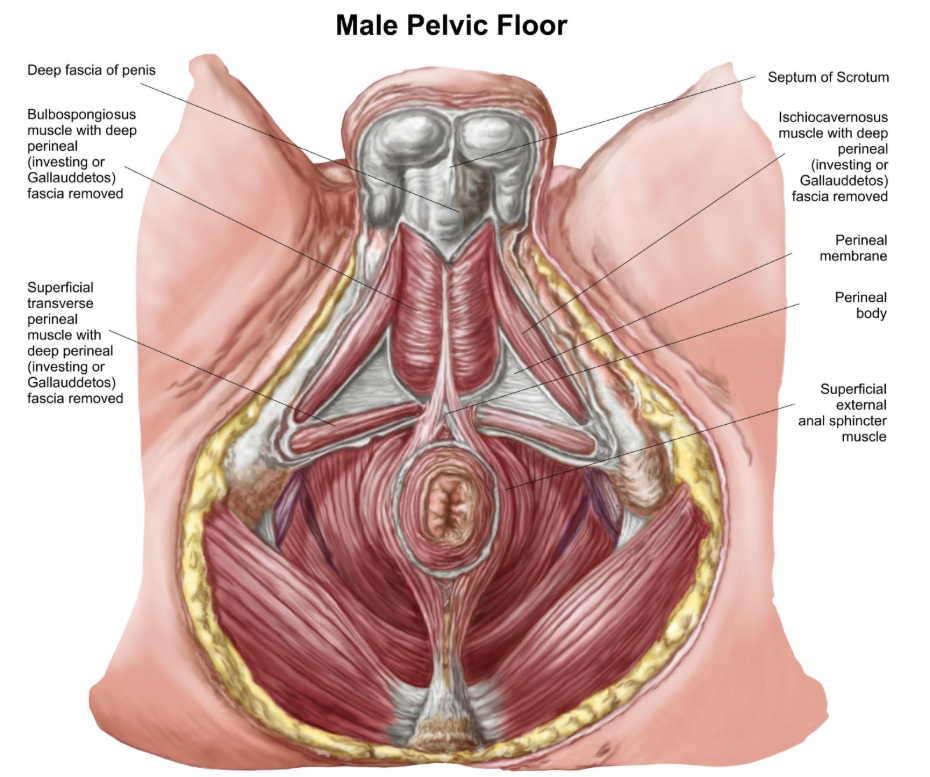
Ischaemia prevents the delivery of essential oxygen and nutrients to the site of the tear, effectively starving the wound and halting the regenerative process. While ointments attempt to relax this muscle chemically, some spasms are too powerful or long-standing to be resolved by topical applications alone. The National Institute for Health and Care Excellence provides guidelines on the management of chronic anal fissures, noting that surgical intervention is highly effective at reducing sphincter pressure and promoting healing. In these instances, a physical adjustment to the muscle through surgery is required to permanently lower the internal pressure and restore the circulation necessary for the skin to heal.
Lateral Internal Sphincterotomy (LIS)
The most common surgical procedure for a chronic anal fissure in the UK is a lateral internal sphincterotomy (LIS), which involves making a small incision in the internal anal sphincter muscle. This procedure is designed to permanently reduce the resting tension of the muscle, thereby improving blood flow and allowing the fissure to heal within a few weeks. LIS is usually performed as a day-case procedure under general or regional anaesthetic.
This operation has a very high success rate, with most patients experiencing a significant reduction in pain almost immediately after the procedure. Because the cause of the non-healing (the high muscle pressure) is physically addressed, the recurrence rate for fissures after LIS is significantly lower than with medicated treatments. However, because it involves a permanent change to the anal sphincter, it is only recommended when other options have been exhausted and the patient has discussed the potential impact on bowel control with their surgeon.
Anal Advancement Flaps
An anal advancement flap is a surgical alternative for patients who may have a higher risk of complications from a sphincterotomy, such as those with pre-existing weaknesses in the pelvic floor. Instead of cutting the muscle, the surgeon takes a small piece of healthy skin or mucosal tissue from another part of the anal canal and “advances” it to cover the chronic tear. This provides a fresh, healthy layer of tissue over the wound, allowing it to heal from underneath.
This procedure is often considered for patients who are concerned about the long-term effects of muscle relaxation on continence. While it does not address the muscle spasm as directly as a sphincterotomy, it provides a physical bridge that can encourage permanent repair. The choice between a flap and a sphincterotomy is made following a detailed consultation where the surgeon assesses the patient’s specific anatomy, the location of the fissure, and their individual medical history.
Comparison of Surgical and Non-Surgical Outcomes
The following table compares the typical outcomes and recovery expectations for clinical management versus surgical intervention.
| Feature | Medicated Ointments | Surgical Intervention (LIS) |
| Success Rate | Approximately 50-70% | Over 90% |
| Primary Action | Temporary muscle relaxation | Permanent muscle relaxation |
| Recovery Time | 6 to 8 weeks | 2 to 4 weeks |
| Main Benefit | Non-invasive; no risk to muscle | Rapid pain relief; high cure rate |
| Main Risk | Recurrence is common | Small risk of minor incontinence |
Post-Operative Expectations and Long-Term Care
Recovery from anal fissure surgery typically takes between two and four weeks, during which time maintaining soft stools is essential to protect the healing site. Patients are usually advised to follow a high-fibre diet and ensure adequate hydration immediately after the operation. While the sharp, cutting pain of the fissure often vanishes quickly, some minor soreness or spotting around the surgical incision is normal in the first few days.
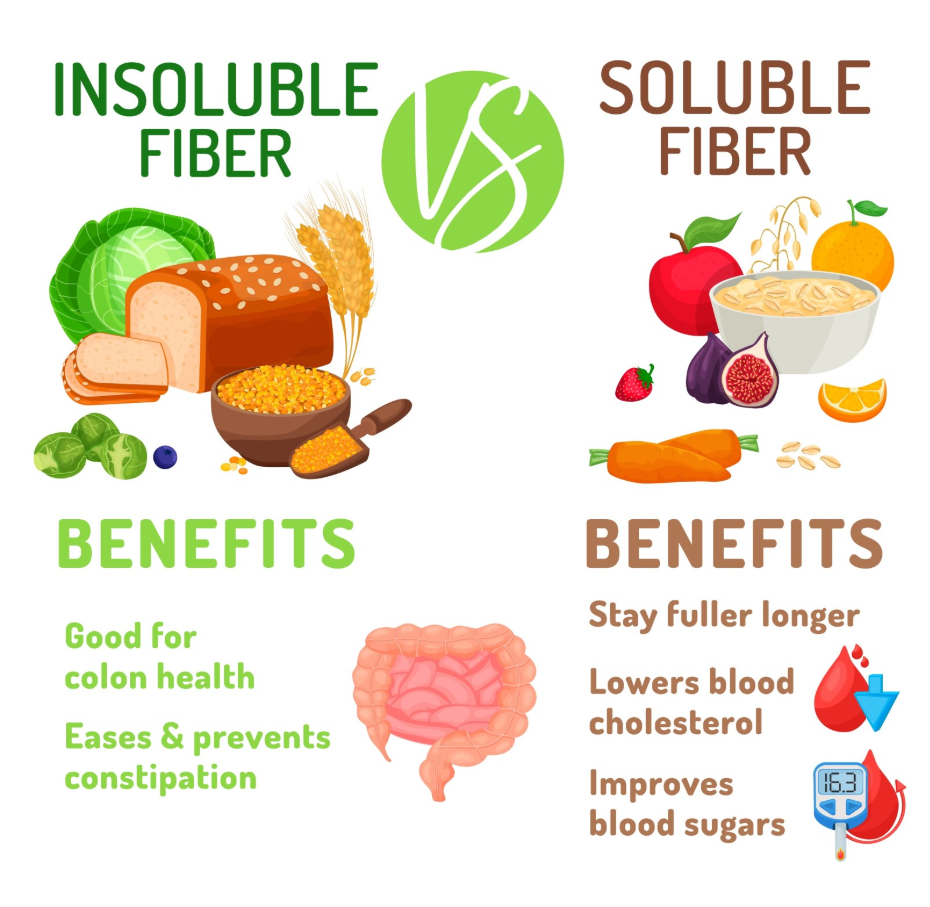
Long-term prevention remains a priority even after a successful surgery. The symptoms of an anal fissure can return if constipation is not managed, so it is vital to continue with a healthy diet and good toilet habits to avoid future straining. Patients should avoid spending prolonged periods on the toilet and should respond immediately to the urge to pass a stool. By maintaining these healthy habits, the risk of developing a new fissure in a different part of the anal canal is significantly reduced.
Conclusion
Surgery is required for an anal fissure when the tear has become chronic and has failed to heal through conservative or medicated measures. Procedures like lateral internal sphincterotomy or anal advancement flaps are highly effective at breaking the cycle of muscle spasm and restricted blood flow. While most patients will successfully manage their condition without surgery, those with persistent symptoms have clear clinical pathways available within the UK health system. If you experience severe, sudden, or worsening symptoms, call 999 immediately.
Is the surgery for an anal fissure painful?
Post-operative discomfort is usually milder than the pain of the fissure itself and is managed with simple analgesia and stool softeners.
Can I have surgery if my fissure only started last week?
No, surgery is not indicated for acute fissures; the standard protocol is to try conservative management and medicated creams first.
Will I have to stay in the hospital overnight?
Most anal fissure surgeries in the UK are performed as day-case procedures, meaning you can usually go home on the same day.
What are the risks of a sphincterotomy?
The main risk is a small chance of permanent difficulty in controlling gas or, more rarely, liquid stool, which your surgeon will discuss in detail.
How long after surgery can I return to work?
Most people can return to light duties within one to two weeks, depending on the type of procedure and the nature of their work.
Does botox work instead of surgery?
Botox injections can temporarily paralyse the anal muscle to help a fissure heal and are often tried before a permanent surgical cut is considered.
Will my bowel habits change after surgery?
Most people find their bowel movements become much more comfortable, but it is essential to maintain a high-fibre diet to prevent future issues.
Authority Snapshot (E-E-A-T)
This medical education content provides accurate, evidence-based information regarding surgical indications for anal fissures for the UK public. The material is developed by a professional medical writing team and reviewed by Dr. Stefan Petrov, a UK-trained physician with experience in general medicine, surgery, and emergency care. All information provided is strictly aligned with the clinical standards and diagnostic pathways provided by the NHS and the National Institute for Health and Care Excellence (NICE).



