




An anal fissure is a small tear in the thin, moist tissue that lines the anal canal, manifesting through distinct physical sensations that are often linked to bowel movements. While the condition involves a relatively small injury, the high density of nerves in the anal region ensures that the symptoms are frequently quite intense. Recognising these specific indicators is essential for distinguishing a fissure from other common conditions, such as haemorrhoids, and for ensuring that appropriate self care or medical interventions are initiated to support the healing of the delicate anal lining.
What We’ll Discuss in This Article
- The characteristic sharp pain associated with bowel movements
- The duration and nature of post-evacuation discomfort
- Identifying bright red rectal bleeding and its typical appearance
- Physical sensations such as stinging, burning, and muscle spasms
- Visual signs and the presence of skin tags in chronic cases
- Clinical indicators that necessitate a medical review
Sharp Pain During and After Bowel Movements
The most prominent symptom of an anal fissure is a sharp, stinging, or burning pain that occurs at the exact moment a stool is passed. This sensation is often described by patients as feeling like they are passing shards of glass or a sharp blade through the anal canal. The pain is caused by the stretching of the tear and the exposure of the sensitive internal anal sphincter muscle to the passage of waste.
Following the bowel movement, the acute sharp pain may transition into a deep, throbbing ache that can last for several hours. An anal fissure is a small tear in the lining of the anus that can cause sharp pain and bleeding during bowel movements. This secondary ache is typically the result of the internal anal sphincter muscle going into an involuntary spasm. The spasm is a protective reflex, but it often restricts blood flow to the area, which can prolong the discomfort and potentially delay the natural healing process of the tear.
Rectal Bleeding and its Characteristics
Bright red rectal bleeding is a frequent clinical sign of an anal fissure, usually appearing in small amounts during or after a bowel movement. Because the blood originates from a fresh tear at the very end of the digestive tract, it remains vivid red and has not been processed or darkened by digestive enzymes. Patients typically notice this blood as a streak on the outside of the stool or as a small amount on the toilet tissue after wiping.
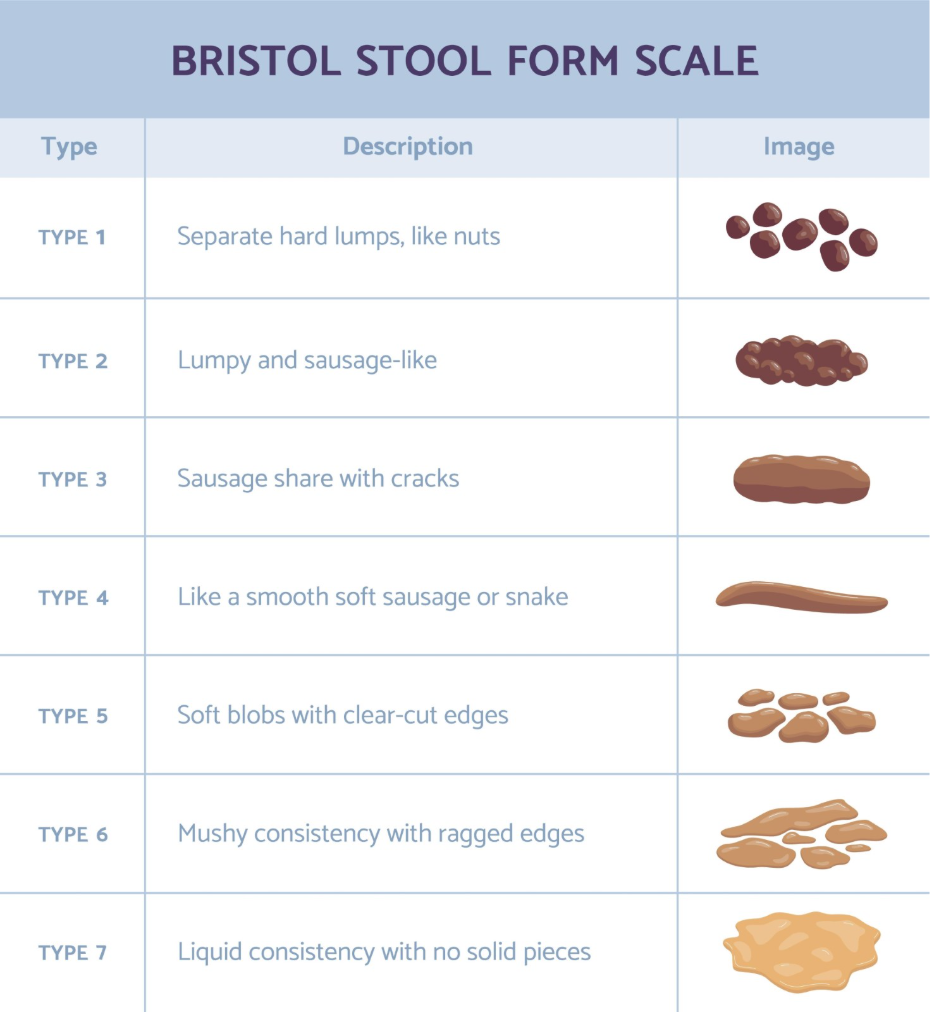
Unlike the bleeding associated with some internal haemorrhoids, bleeding from a fissure is almost always accompanied by significant pain. The symptoms of an anal fissure often include bright red blood on your poo or the toilet paper and a sharp pain when you go to the toilet. It is rare for a fissure to cause heavy bleeding that fills the toilet bowl; instead, it is characterised by its association with the tearing sensation. While this type of bleeding is common with fissures, national clinical standards require that any form of rectal bleeding be formally assessed by a healthcare professional to confirm the source.
Itching, Irritation, and Burning Sensations
Persistent itching and irritation around the anal opening, known as pruritus ani, can occur as the fissure attempts to heal or if it becomes chronic. The inflammation associated with the tear can cause the surrounding skin to become sensitive and reactive. Some individuals experience a constant burning sensation in the area, which may be exacerbated by perspiration, physical activity, or the use of scented soaps and certain types of toilet paper.
The irritation is often worsened if the fissure leads to minor leakage of mucus, which keeps the perianal skin damp. This moisture can cause the skin to become macerated and even more prone to itching. It is important to avoid scratching the area, as this can lead to micro-tears and secondary infections, further complicating the symptoms of the original fissure. Gentle hygiene, focused on plain water and soft patting rather than rubbing, is essential for managing these sensory symptoms.
Visible Signs and Structural Changes
In many cases, an anal fissure may be visible as a small, linear crack or split in the skin during a gentle external inspection of the anal opening. In acute cases, the fissure looks similar to a fresh paper cut. However, if the fissure becomes chronic, which is defined as lasting longer than six weeks, the physical appearance of the area may change as the body responds to long term inflammation.
The National Institute for Health and Care Excellence provides guidelines for the management of anal fissures, noting that chronic tears may be associated with a small skin tag or a thickened edge. This skin tag, often called a sentinel pile or sentinel tag, develops at the base of the fissure. Additionally, a small internal node known as a hypertrophied papilla may form at the top of the tear. These structural changes are indicators that the fissure has been present for some time and may require specific medical treatments to break the cycle of muscle spasm and allow the tissue to knit back together.
Differences Between Fissure and Haemorrhoid Symptoms
Although they occur in the same anatomical region, anal fissures and haemorrhoids produce distinct symptom patterns that help clinicians and patients distinguish between them.
| Symptom | Anal Fissure | Haemorrhoids (Piles) |
| Pain Level | Very high, sharp, and stinging | Often dull or painless (if internal) |
| Pain Duration | Can last for hours after pooing | Often subsides quickly after pooing |
| Bleeding | Bright red, linked to sharp pain | Bright red, often painless |
| Physical Sign | A visible tear or crack | Soft lumps or swollen veins |
| Muscle Spasm | Common and causes throbbing | Rare |
Understanding these differences is vital because the management strategies for each condition vary. While both benefit from soft stools, a fissure specifically requires measures to relax the anal sphincter muscle, whereas haemorrhoid care focuses on reducing vascular engorgement and pressure.
When to Seek a Professional Clinical Review
A professional medical assessment is necessary for any new or persistent rectal symptoms to ensure the cause is correctly identified. While many fissures resolve with home care within a few weeks, a clinician should be consulted if the pain is severe enough to prevent normal activities or if bleeding is frequent. In the UK, a GP can perform a gentle examination to confirm the presence of a fissure and provide access to medicated creams that help the anal muscles relax.
Professional advice should be sought if:
- The pain during bowel movements is increasingly severe
- Rectal bleeding is persistent, heavy, or dark in colour
- You notice a persistent change in bowel habits lasting three weeks or more
- A lump has formed near the anus that is hard or very painful
- You experience unintentional weight loss or constant abdominal pain
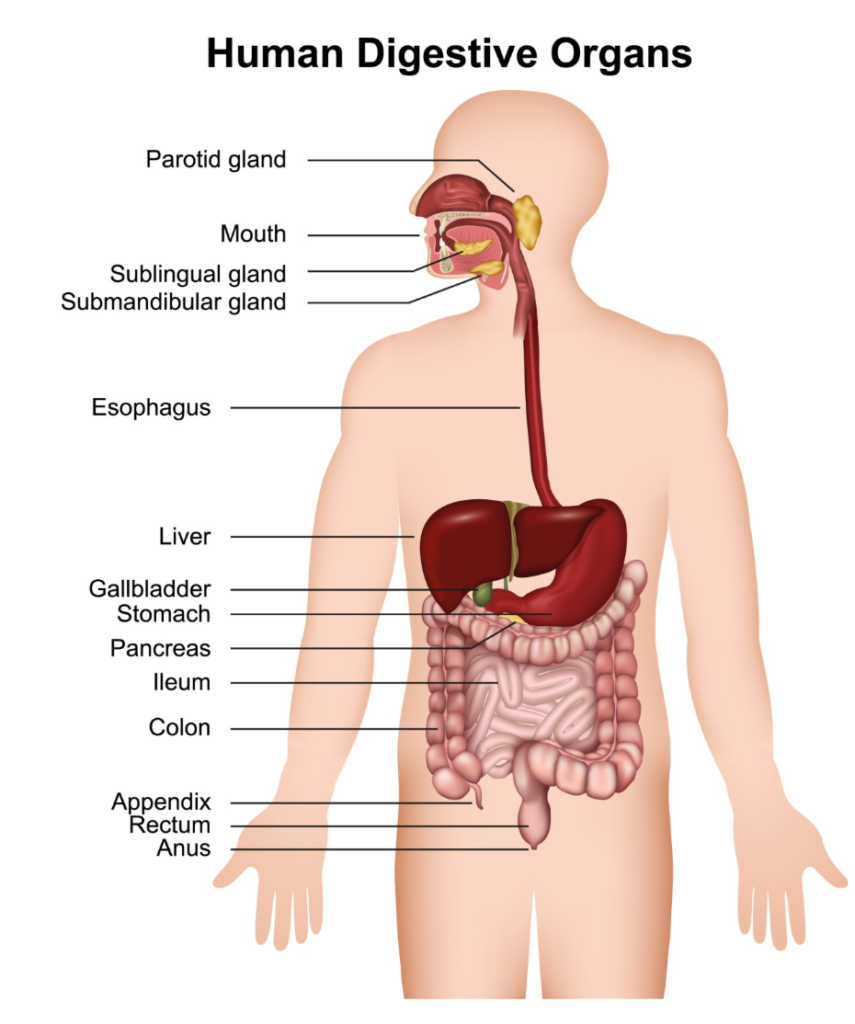
Healthcare providers follow national diagnostic pathways to ensure that symptoms are not related to inflammatory bowel disease or other underlying conditions. Early intervention for a fissure can prevent it from becoming a chronic, non-healing wound that requires more complex clinical treatment.
Conclusion
The symptoms of an anal fissure are characterised by intense, sharp pain during bowel movements followed by a lingering throb, often accompanied by bright red spotting. While these signs can be distressing, they are typically indicative of a benign tear caused by constipation or mechanical strain. Recognising the difference between acute symptoms and the structural changes of a chronic fissure helps in deciding when to seek medical advice. If you experience severe, sudden, or worsening symptoms, call 999 immediately.
Why does the pain last so long after I have been to the toilet?
The initial sharp pain is from the tear itself, but the lingering ache is usually caused by the internal anal sphincter muscle going into a spasm.
Can an anal fissure cause a fever?
A simple fissure does not typically cause a fever; if you have anal pain accompanied by a fever, it may indicate an infection or abscess requiring urgent review.
Is it normal to see blood on the stool with a fissure?
Yes, it is common to see a small amount of bright red blood on the surface of the stool or on the toilet paper due to the tear being stretched.
Does an anal fissure always itch?
Not always, but itching is common as the area becomes inflamed or if there is minor mucus leakage from the site of the tear.
Can I have a fissure without seeing a tear?
Yes, because the tear is often located just inside the anal canal, it may not be easily visible without a gentle clinical examination.
Why is the pain described as “passing glass”?
This is a common description for the sharp, stinging sensation that occurs when a stool passes over the exposed nerves of the torn anal lining.
Will the symptoms go away if I change my diet?
Most acute fissures will heal and symptoms will disappear if you increase fibre and fluids to ensure your stools stay soft and easy to pass.
Authority Snapshot (E-E-A-T)
This medical education content provides accurate, evidence-based information regarding the symptoms of anal fissures for the UK public. The material is developed by a professional medical writing team and reviewed by Dr. Stefan Petrov, a UK-trained physician with experience in general medicine, surgery, and emergency care. All information provided is strictly aligned with the clinical standards and diagnostic pathways provided by the NHS and the National Institute for Health and Care Excellence (NICE).



