




An anal fissure is a small tear or cut in the lining of the anal canal, typically occurring as a result of trauma to the delicate tissue in the area. This condition is often characterised by sharp, intense pain during and after bowel movements, and it is a common cause of bright red rectal bleeding. While they can be distressing, most anal fissures are benign and resolve with conservative management focused on softening the stool and allowing the skin to heal naturally. Understanding the difference between a fissure and other conditions like haemorrhoids is essential for applying the correct self care measures and knowing when to seek professional medical investigation.
What We’ll Discuss in This Article
- The physical nature and common location of an anal fissure
- Typical symptoms including pain duration and rectal bleeding
- Primary causes such as constipation and mechanical trauma
- The difference between acute and chronic anal fissures
- National clinical guidelines for managing and soothing a tear
- When a persistent fissure requires a professional medical review
Characteristics and Symptoms of a Fissure
An anal fissure manifests primarily as a sharp, stinging pain that occurs during the passage of stool and can persist for several hours afterwards. This pain is often described as feeling like passing shards of glass, and it is caused by the exposure of the sensitive internal sphincter muscle to the environment of the anal canal. An anal fissure is a small tear in the moist, soft tissue that lines the anus, and it can cause pain and bleeding during bowel movements. Because the area is densely populated with nerves, even a very small tear can result in significant discomfort.
In addition to pain, bright red blood may be noticed on the surface of the stool or on the toilet paper after wiping. Unlike the blood from internal haemorrhoids, which is often painless, the bleeding from a fissure is almost always accompanied by an acute sensation of tearing or burning. Some individuals may also notice a small lump or skin tag near the tear if the fissure has been present for several weeks. This occurs as the body attempts to protect the area during the chronic inflammatory process.
Common Causes and Risk Factors
The most frequent cause of an anal fissure is the passage of large or hard stools associated with constipation, which overstretches the anal lining. When the tissue is forced to expand beyond its capacity, a small linear tear can form, most commonly at the back (posterior midline) of the anal opening. Straining during bowel movements further increases the pressure on the area, making it difficult for a new tear to heal.
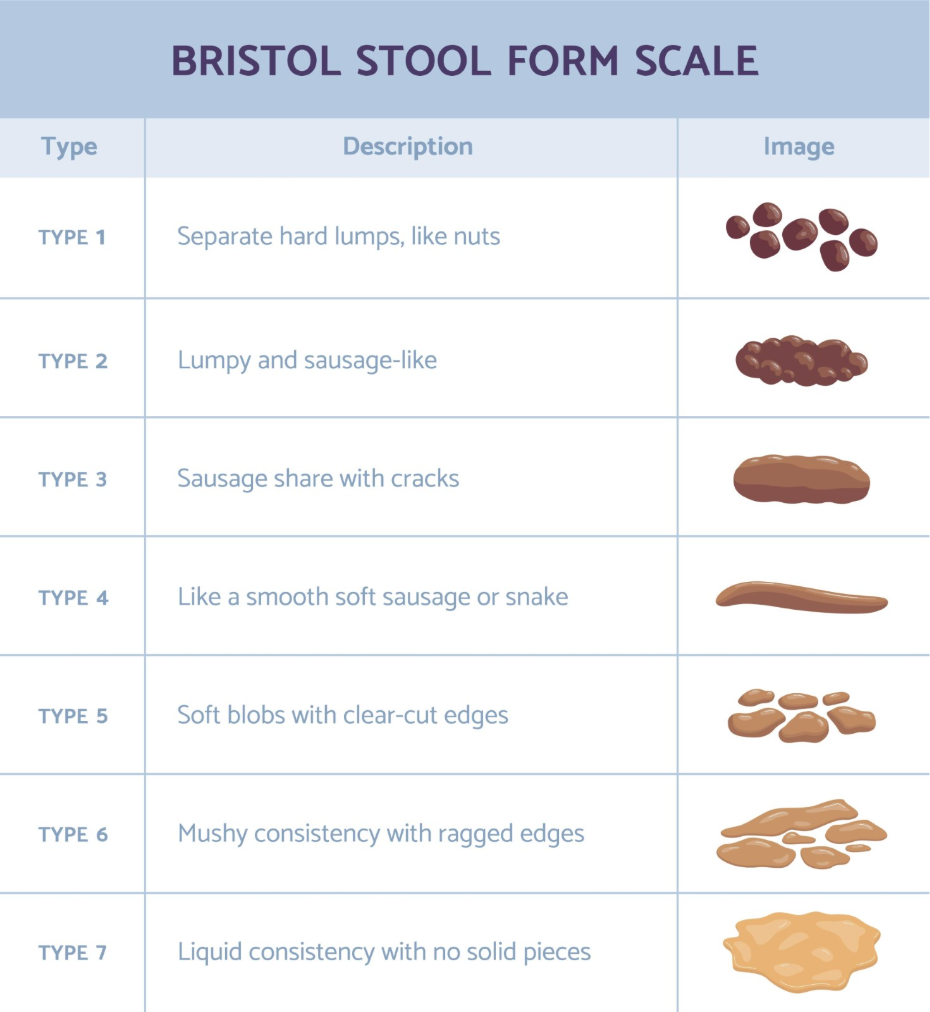
Other factors can also contribute to the development of a fissure, including persistent diarrhoea, which can cause chemical irritation and inflammation of the skin. Pregnancy and childbirth are also recognised risk factors due to the physical strain placed on the pelvic area. Less commonly, an anal fissure may be associated with underlying inflammatory conditions of the bowel, such as Crohn’s disease. The National Institute for Health and Care Excellence provides structured pathways for the management of anal fissures, emphasising that most cases are linked to constipation and straining.
Acute vs Chronic Anal Fissures
Clinicians categorise anal fissures as either acute or chronic based on how long the symptoms have been present and the physical appearance of the tear. An acute fissure is a fresh tear that looks similar to a paper cut; these typically heal within six weeks with basic dietary adjustments and high standards of hygiene. If the underlying cause, such as hard stools, is addressed promptly, the tissue usually repairs itself without leaving a permanent mark.
A chronic fissure is one that has persisted for longer than six weeks or has recurred frequently. In chronic cases, the edges of the tear may become thickened, and the underlying internal anal sphincter muscle may become visible. The chronic nature of the wound often leads to a cycle of muscle spasms, which restricts blood flow to the area and prevents the skin from knitting back together. Identifying whether a fissure is chronic is important, as it may require specific medicated creams to relax the muscle and encourage blood flow to the site of the injury.
Differentiating Fissures from Haemorrhoids
While both anal fissures and haemorrhoids can cause pain and bleeding, they are distinct clinical conditions with different physical characteristics.
| Feature | Anal Fissure | Haemorrhoids (Piles) |
| Type of Pain | Sharp, stinging, or burning | Dull ache or throbbing (if external) |
| Timing of Pain | During and shortly after pooing | Can be constant or unrelated to poo |
| Bleeding | Bright red, usually with sharp pain | Bright red, often painless (if internal) |
| Physical Sign | Visible crack or tear in the skin | Swollen veins or soft lumps |
| Sensation | Feeling of a cut or “shards of glass” | Feeling of fullness or a lump |
It is possible to have both conditions simultaneously, particularly if constipation is a chronic issue. However, the management of a fissure focuses primarily on relaxing the anal sphincter and protecting the skin, whereas haemorrhoid management focuses on reducing vascular swelling. A professional clinical examination is the most reliable way to distinguish between the two and ensure the correct treatment is applied.
Management and Soothing Techniques
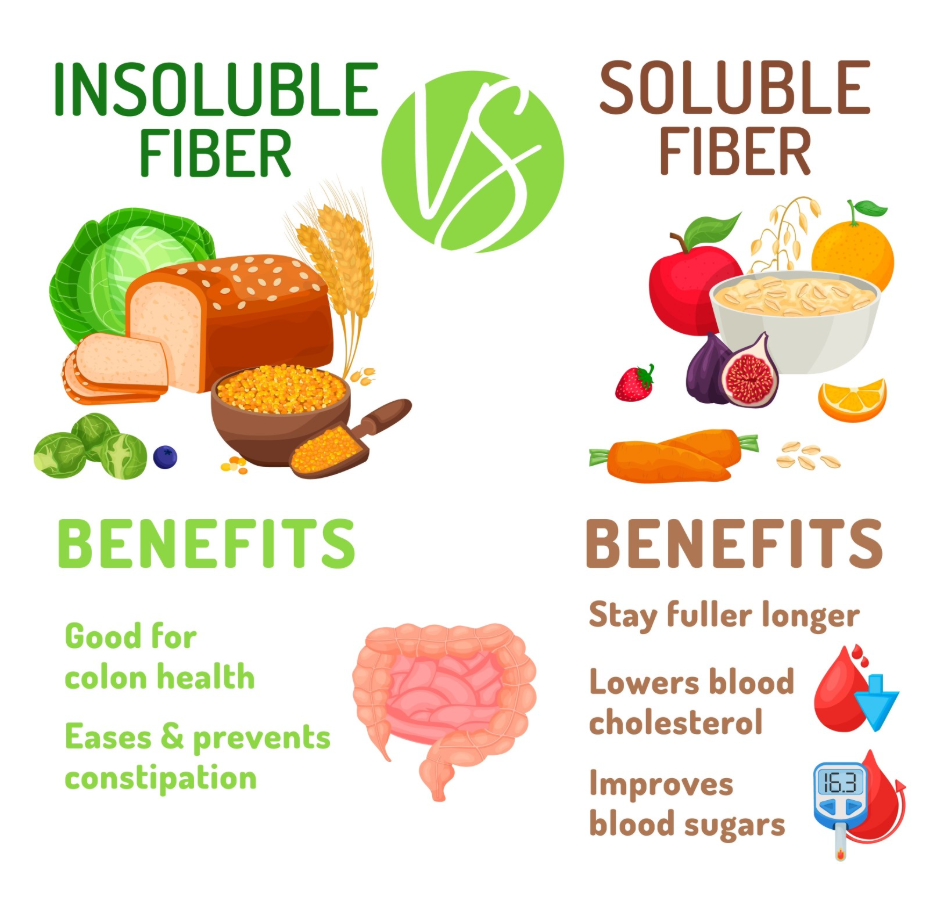
Managing an anal fissure involves a combination of softening the stool and using comfort measures to reduce muscle spasms and pain. Increasing dietary fibre through whole grains, fruits, and vegetables is the first step in ensuring that stools pass without further traumatising the tear. The symptoms of an anal fissure usually improve within a few weeks if you take steps to keep your poo soft, such as increasing the amount of fibre in your diet. Adequate hydration is equally vital to ensure the fibre functions correctly and the waste remains soft.
To soothe the immediate pain, warm sitz baths (soaking the area in plain warm water) for ten to fifteen minutes several times a day can help the anal muscles to relax. This relaxation improves blood flow to the fissure, which is essential for healing. After washing, the area should be patted dry gently with a soft towel or dried with a hairdryer on a cool setting. Avoiding scented soaps or wipes that contain alcohol can prevent further chemical irritation of the exposed tissue.
When to See a Professional Clinical Review
Most anal fissures heal with home care, but a medical review is necessary if the pain is severe, if there is persistent bleeding, or if the symptoms do not improve after two weeks. A GP can perform a gentle visual inspection to confirm the diagnosis and may prescribe specific ointments that help the anal sphincter muscle relax. These medicated treatments are often required for chronic fissures that have entered a cycle of spasm and poor healing.
Professional advice should be sought if:
- The pain is so severe that it prevents you from passing a bowel movement
- Rectal bleeding is persistent, heavy, or dark in colour
- You notice a persistent change in bowel habits lasting three weeks or more
- You experience unintentional weight loss or severe abdominal pain
- The fissure does not show signs of healing after six weeks of self care
Healthcare providers follow national diagnostic standards to rule out other causes of anal pain and to provide a structured management plan that may include a referral to a specialist if the fissure remains resistant to treatment.
Conclusion
An anal fissure is a small but painful tear in the lining of the anal canal, usually caused by constipation and the passage of hard stools. While the intense pain and bleeding can be alarming, most cases resolve with a high-fibre diet, proper hydration, and gentle hygiene measures like warm soaks. Differentiating a fissure from other conditions like haemorrhoids ensures that the correct healing environment is established. If you experience severe, sudden, or worsening symptoms, call 999 immediately.
How long does an anal fissure take to heal?
Most acute fissures heal within four to six weeks if stools are kept soft and straining is avoided.
Can an anal fissure cause a permanent lump?
A chronic fissure can lead to a small skin tag known as a sentinel pile, which forms at the edge of the tear as part of the body’s inflammatory response.
Why does the pain last for hours after pooing?
The passage of stool irritates the tear and can cause the internal anal sphincter muscle to go into spasm, which leads to prolonged aching.
Is it safe to use haemorrhoid cream on a fissure?
Some soothing creams may help, but specifically medicated fissure creams work differently by relaxing the muscle, so a clinical review is recommended.
Can stress cause an anal fissure?
Stress does not cause a tear directly, but it can lead to digestive changes and constipation, which are the primary triggers for a fissure.
Should I stop eating if it hurts to poo?
No, you should continue to eat a high-fibre diet and drink plenty of fluids to ensure your stools remain soft and easy to pass.
Can an anal fissure come back?
Fissures can recur if constipation returns; maintaining a healthy diet and good bathroom habits is the best way to prevent future tears.
Authority Snapshot (E-E-A-T)
This medical education content provides accurate, evidence-based information regarding anal fissures for the UK public. The material is developed by a professional medical writing team and reviewed by Dr. Stefan Petrov, a UK-trained physician with experience in general surgery, emergency care, and clinical education. All information provided is strictly aligned with the clinical standards and diagnostic pathways provided by the NHS and the National Institute for Health and Care Excellence (NICE).



